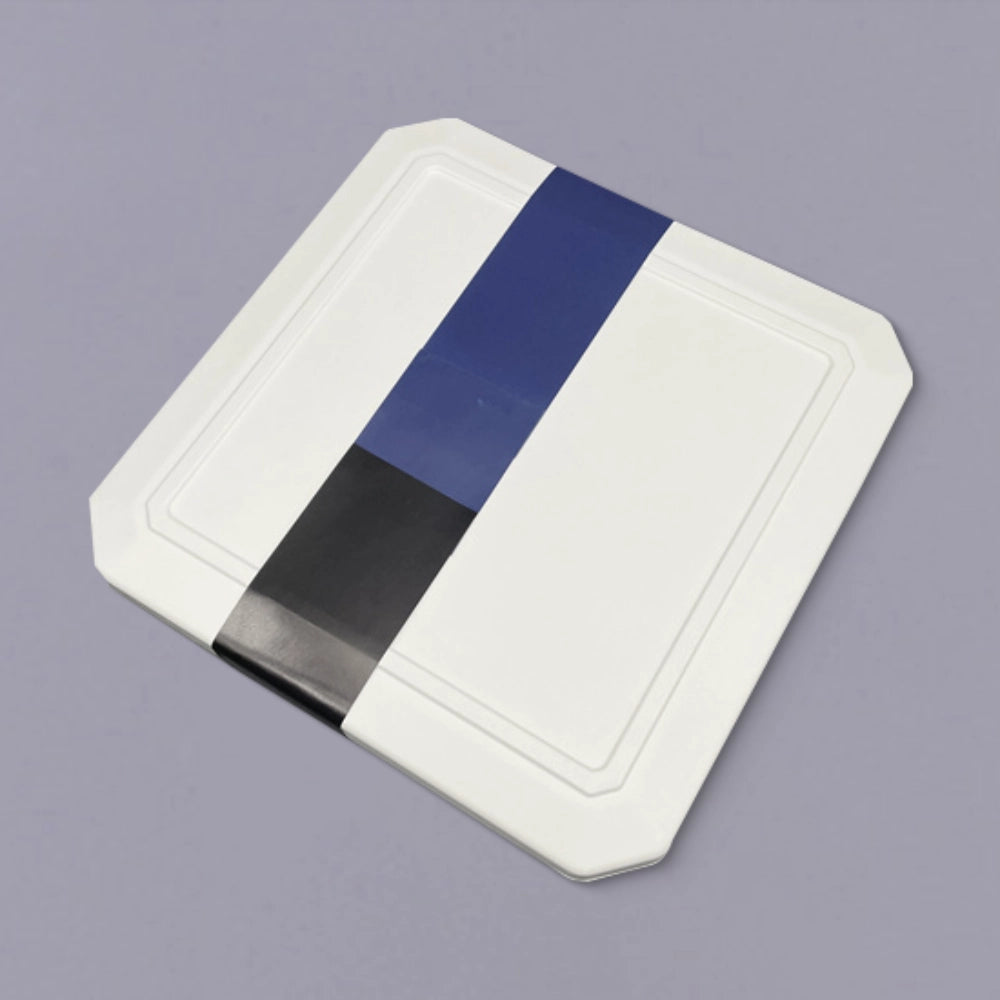
Composting characteristics align with tea culture's emphasis on natural cycles and environmental harmony, as the packaging decomposes alongside spent tea leaves in organic waste streams. The production process converts bamboo or sugarcane agricultural residue into protective packaging, creating a closed-loop system where one harvest's byproduct safeguards another's premium output. Tea merchants appreciate the customization potential, as the flat lid surface accepts embossing, debossing, or custom printing that communicates origin stories and varietals without adhesive labels. The stackable architecture supports efficient storage in tea shops and pantries, while the lightweight construction reduces shipping costs for online retailers managing thin margins on specialty products. This convergence of aesthetic restraint and functional design resonates with tea enthusiasts valuing authenticity and mindful consumption.

What We Mainly Make?

Molded Pulp Packaging
Molded pulp packaging is a sustainable packaging solution for various industries, including food, healthcare, cosmetics, household products, and electronics.

Molded Pulp Inserts
Molded pulp inserts find versatile applications across industries, including electronics, glass products, food, medical devices, and compliance with regulations.

Molded Pulp Supplies
Mold pulp products can be applied to various daily-use items, including tableware, personal care items, household goods, toys, packaging materials, stationery, and home decor.

Molded Pulp Accessories
Depending on the product's purpose, molded pulp accessories can include lids, handles, dividers, and more.
Customizable Process

From Product to Soil in 180 Days

Original product

Surface breakdown begins

Structural fragmentation

Microbial decomposition

Returned to soil
 Public Mould
 Packaging Solutions
 3D Design
 Customized Mould


Natural Sustainable White Fiber Tea Box with Lid
Natural Sustainable White Fiber Tea Box with Lid
You May Also Like
Composting characteristics align with tea culture's emphasis on natural cycles and environmental harmony, as the packaging decomposes alongside spent tea leaves in organic waste streams. The production process converts bamboo or sugarcane agricultural residue into protective packaging, creating a closed-loop system where one harvest's byproduct safeguards another's premium output. Tea merchants appreciate the customization potential, as the flat lid surface accepts embossing, debossing, or custom printing that communicates origin stories and varietals without adhesive labels. The stackable architecture supports efficient storage in tea shops and pantries, while the lightweight construction reduces shipping costs for online retailers managing thin margins on specialty products. This convergence of aesthetic restraint and functional design resonates with tea enthusiasts valuing authenticity and mindful consumption.
What We Mainly Make?
Molded Pulp Packaging
Molded pulp packaging is a sustainable packaging solution for various industries, including food, healthcare, cosmetics, household products, and electronics.
Molded Pulp Inserts
Molded pulp inserts find versatile applications across industries, including electronics, glass products, food, medical devices, and compliance with regulations.
Molded Pulp Supplies
Mold pulp products can be applied to various daily-use items, including tableware, personal care items, household goods, toys, packaging materials, stationery, and home decor.
Molded Pulp Accessories
Depending on the product's purpose, molded pulp accessories can include lids, handles, dividers, and more.
Customizable Process
From Product to Soil in 180 Days
Original product
Surface breakdown begins
Structural fragmentation
Microbial decomposition
Returned to soil