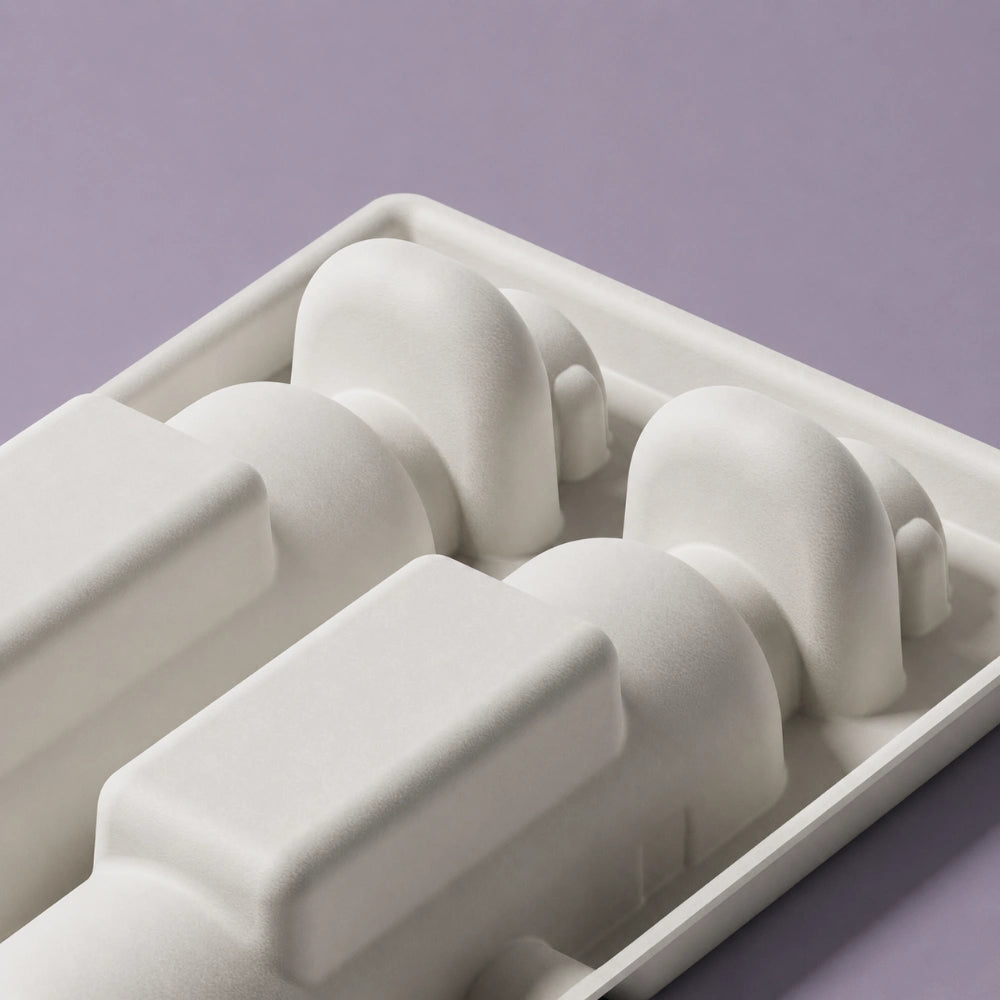
A Printed Rigid Box Over a Pulp Core
The floral outer shell wraps a rigid paperboard box, but the tray holding the two bottles inside is molded fiber, pressed with a stepped cutout that traces each bottle's shoulder and neck. Lifting the lid reveals both slots side by side, angled slightly so the necks clear the box edge without the caps catching on the rim.
Twin Cavities Cut for Glass, Not Foam
Each bottle sits in a cavity narrowed at the neck and widened at the base, matching the taper of the glass itself rather than a generic round hole. That fit keeps two full bottles from knocking together in transit, doing the job foam chips or bubble wrap usually cover in packaging that maintains freshness for glass-bottled oils.
Botanical Print Wraps a Gift-Ready Shell
A green floral pattern runs across the lid and sides, breaking from the plain cream tone typical of fiber trays and giving the box a finished look straight off the shelf. The two-piece lid-and-base structure lifts fully clear rather than hinging, so both bottles can be lifted out at once without tilting the tray.
What We Mainly Make?
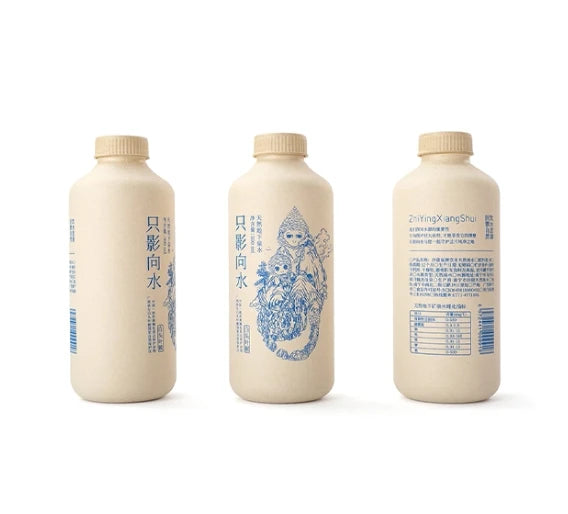
Eco Friendly Houseware Packaging
Protective molded pulp tray and sturdy outer casings. Tailored for home essentials, ensuring superior structural integrity and eco-friendly brand positioning.
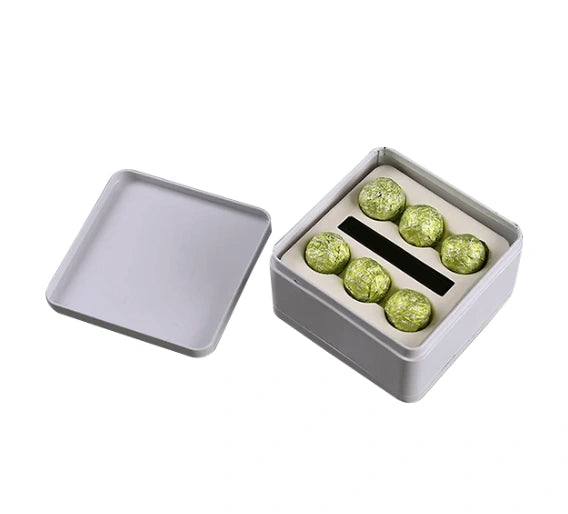
Eco Friendly Food Packaging
Custom structures for chocolates, macarons, dates, and biscuits. Food-grade biodegradable casings and partitions designed for gourmet gift presentation.
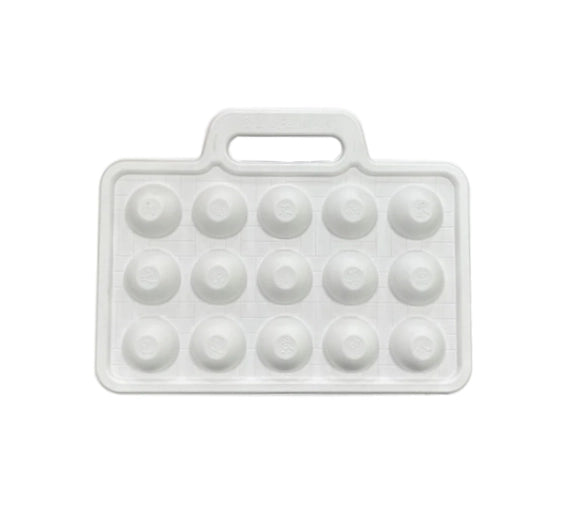
Eco Friendly Coffee Packaging
Premium all-paper canisters and gift set structures. Custom-fit kitting for beans and brewing accessories, blending artisanal craft with eco-conscious materials.
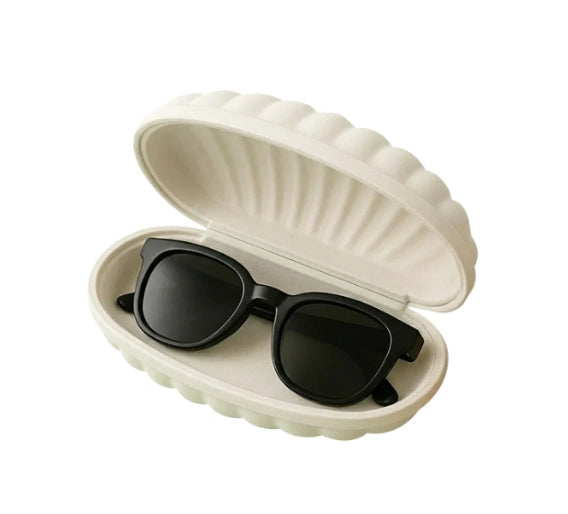
Eco Glasses Case
Durable molded pulp cases featuring soft-touch interiors. Precision-fit shells designed for eyewear protection, showcasing a minimalist and sustainable style.
Customizable Process

From Product to Soil in 180 Days

Original product

Surface breakdown begins

Structural fragmentation

Microbial decomposition

Returned to soil
 Public Mould
 Packaging Solutions
 3D Design
 Customized Mould


Floral Twin Bottle Sesame Oil Gift Box Wholesale
Floral Twin Bottle Sesame Oil Gift Box Wholesale
You May Also Like
A Printed Rigid Box Over a Pulp Core
The floral outer shell wraps a rigid paperboard box, but the tray holding the two bottles inside is molded fiber, pressed with a stepped cutout that traces each bottle's shoulder and neck. Lifting the lid reveals both slots side by side, angled slightly so the necks clear the box edge without the caps catching on the rim.
Twin Cavities Cut for Glass, Not Foam
Each bottle sits in a cavity narrowed at the neck and widened at the base, matching the taper of the glass itself rather than a generic round hole. That fit keeps two full bottles from knocking together in transit, doing the job foam chips or bubble wrap usually cover in packaging that maintains freshness for glass-bottled oils.
Botanical Print Wraps a Gift-Ready Shell
A green floral pattern runs across the lid and sides, breaking from the plain cream tone typical of fiber trays and giving the box a finished look straight off the shelf. The two-piece lid-and-base structure lifts fully clear rather than hinging, so both bottles can be lifted out at once without tilting the tray.
What We Mainly Make?
Eco Friendly Houseware Packaging
Protective molded pulp tray and sturdy outer casings. Tailored for home essentials, ensuring superior structural integrity and eco-friendly brand positioning.
Eco Friendly Food Packaging
Custom structures for chocolates, macarons, dates, and biscuits. Food-grade biodegradable casings and partitions designed for gourmet gift presentation.
Eco Friendly Coffee Packaging
Premium all-paper canisters and gift set structures. Custom-fit kitting for beans and brewing accessories, blending artisanal craft with eco-conscious materials.
Eco Glasses Case
Durable molded pulp cases featuring soft-touch interiors. Precision-fit shells designed for eyewear protection, showcasing a minimalist and sustainable style.
Customizable Process
From Product to Soil in 180 Days
Original product
Surface breakdown begins
Structural fragmentation
Microbial decomposition
Returned to soil