


In the wellness industry, the definition of "clean" has evolved. Today's consumers no longer settle for clean ingredients alone—they expect clean packaging, too. The traditional plastic vitamin bottle, which takes up to 450 years to decompose, increasingly feels like a contradiction to a health-conscious lifestyle.
According to the 2025 Sustainable Packaging Consumer Report, over 90% of consumers prefer brands that prioritize eco-friendly packaging, and nearly half of Gen Z and Millennials are willing to pay a premium for plastic-free options. Meanwhile, the global supplement packaging market is projected to reach $11.7 billion by 2035, with growth shifting heavily toward sustainable materials (Market Research Future).
For brands ready to lead this shift, supplement packaging crafted from sugarcane bagasse and bamboo—offers the most effective way to eliminate plastic while elevating your brand image.
Sugarcane Bagasse vs. Plastic: The Environmental Breakdown
| Feature | Sugarcane Bagasse Pulp | Traditional Plastic (PET/HDPE) |
|---|---|---|
| Raw Material | Upcycled agricultural waste | Non-renewable fossil fuels |
| Carbon Footprint | Up to 70% lower CO₂ emissions | High emissions during refining |
| Decomposition | 45–90 days (home compostable) | 400–500 years (non-biodegradable) |
| Chemical Safety | 100% non-toxic & BPA-free | Risk of microplastic leaching |
| End of Life | Becomes nutrient-rich compost | Ends up in landfills or oceans |
The Key Benefits of Molded Pulp Packaging for Supplements
Molded pulp packaging is engineered with precision-fit cavities that cradle each bottle, vial, or blister pack securely. Unlike rigid plastic that can crack under pressure, the natural fiber structure of sugarcane and bamboo pulp absorbs shock and vibration during shipping. This makes it ideal for fragile glass containers holding collagen liquids, ginseng extracts, or essential oils. The snug fit eliminates the need for additional plastic fillers or foam inserts, reducing material waste while keeping products intact from warehouse to doorstep.
Molded pulp packaging is significantly lighter than plastic alternatives, which translates directly into lower shipping costs and reduced carbon emissions during transportation. Despite its lightweight nature, the interlocking fiber structure provides impressive stacking strength and compression resistance. Brands can confidently ship products in molded pulp boxes knowing they will withstand the pressures of palletized freight and last-mile delivery handling.
Perhaps the most compelling advantage is what happens after the consumer finishes the product. Molded pulp packaging can be tossed directly into a home compost bin, where it breaks down within 45 to 90 days and returns nutrients to the soil. For consumers without composting access, it is fully recyclable through standard paper recycling streams. This closed-loop lifecycle eliminates the guilt associated with discarding packaging and gives your customers a tangible way to participate in your brand's sustainability mission.
With plastic bans expanding across Europe, North America, and Asia-Pacific markets, brands using molded pulp packaging are already ahead of compliance requirements. Major retailers including Whole Foods, Sephora, and Amazon are increasingly prioritizing shelf space for brands with verified sustainable packaging. By switching now, supplement companies avoid the costly rush of last-minute reformulation when regulations tighten further.
Case Studies: Brands Leading the Green Revolution
Ritual & Seed: These premium supplement brands have built loyal followings by prioritizing "paper-first" shipping and secondary packaging. Both use molded fiber inserts to replace plastic dividers, reinforcing their commitment to transparency and sustainability.
Vital Proteins: This leading collagen brand has transitioned major product lines to high-grade paperboard canisters, proving that even large-format supplement powders can thrive in plastic-free packaging.
Luxury Nutraceuticals: High-end brands selling Ginseng extracts, collagen liquids, and herbal tonics are increasingly turning to wet-pressed molded pulp boxes—like those supplement packaging from OtaraPack—to deliver a premium unboxing experience that's entirely plastic-free.
Top Biodegradable Supplement Packaging Options
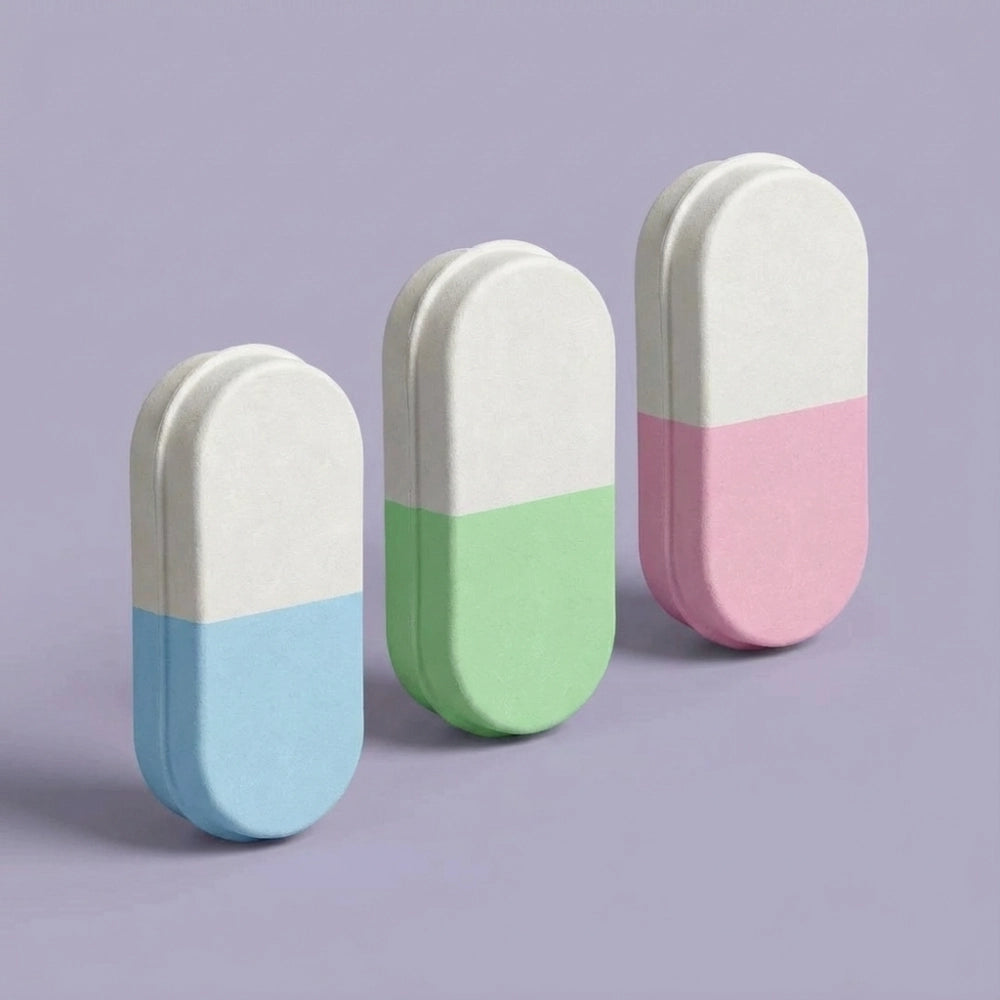
Molded Pulp Capsule-Shaped Box
A custom-designed supplement box in a "capsule" silhouette. Made from 100% sugarcane pulp.
View Details
Oral Liquid & Beverage Trays
Engineered for glass vials. Uses bamboo fiber for high-impact protection, replacing foam.
View Details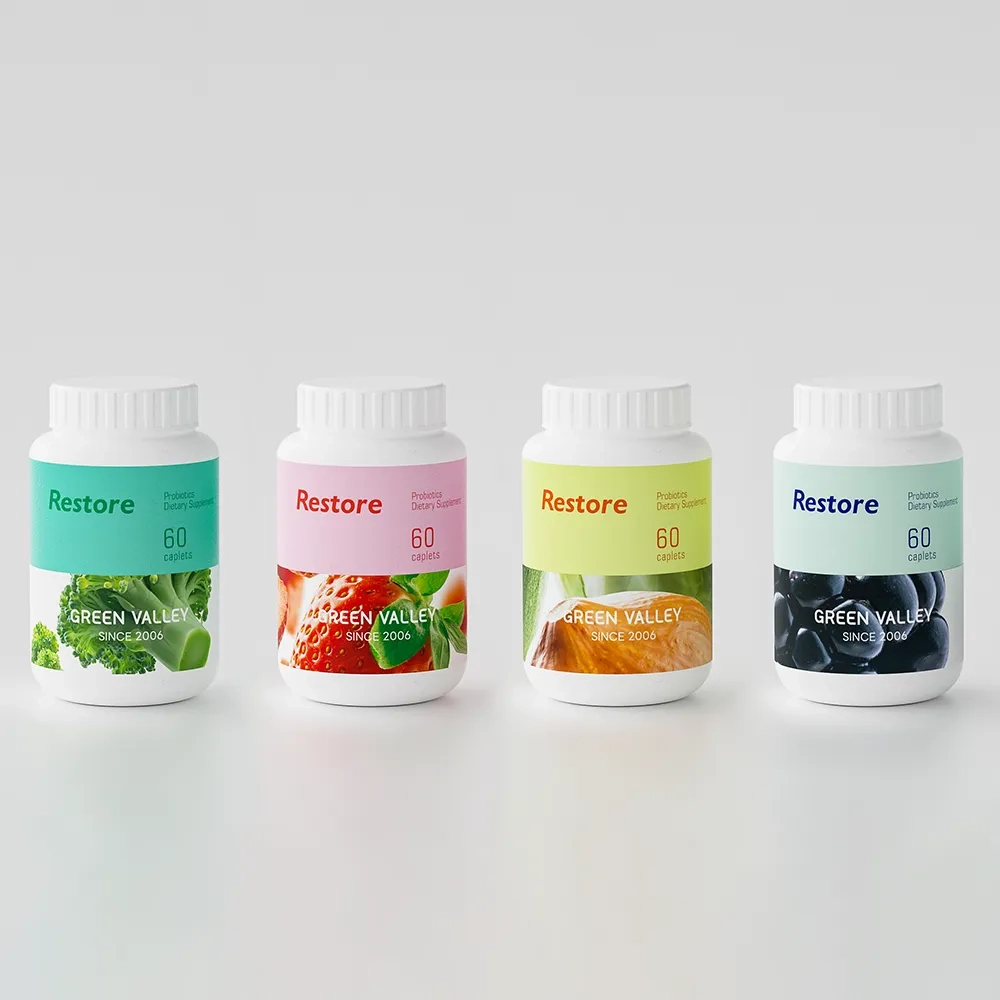
Sustainable Paper Pill Bottles
The ultimate challenge to the plastic bottle. Sturdy, moisture-resistant, and fully recyclable.
View Details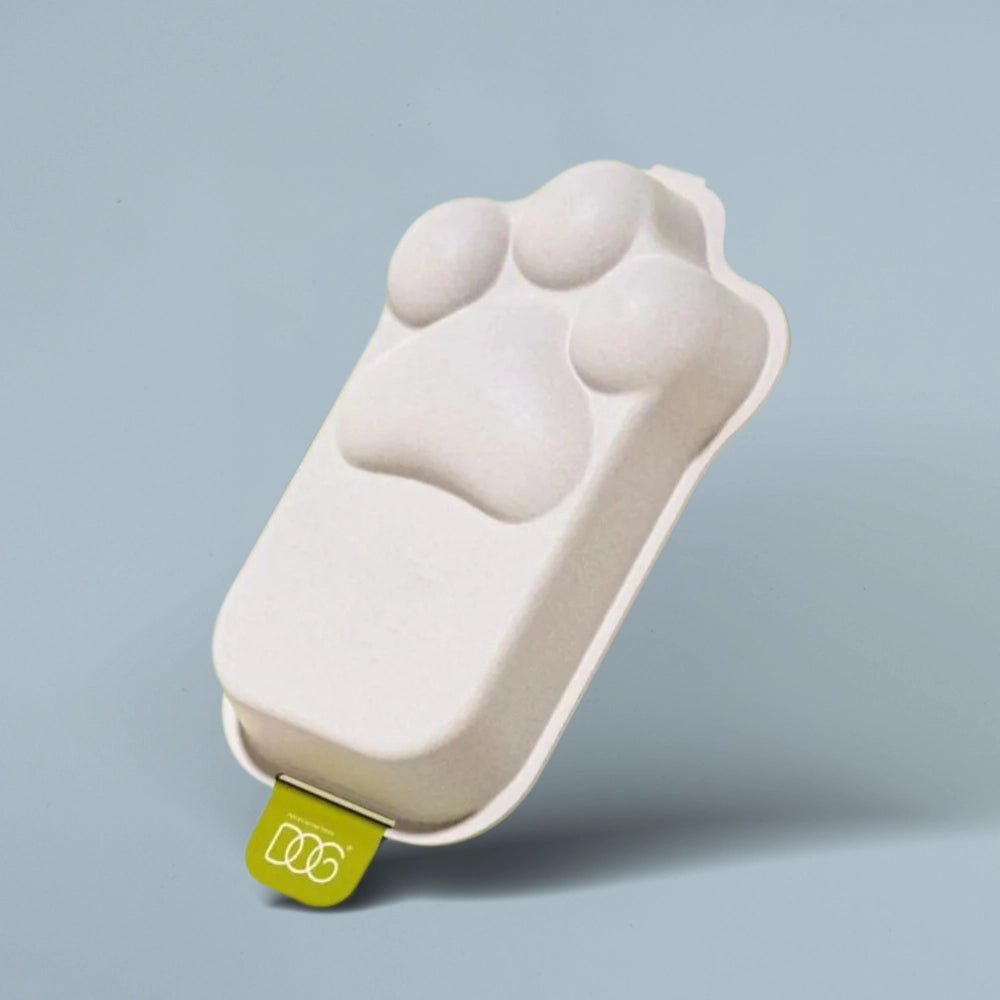
Creative Shape Packaging
Specialty shapes like dog-paws turn your packaging into a powerful brand storytelling tool.
View DetailsWhy Brand Leaders Are Making the Switch
Choosing plant-based materials over plastic is more than an environmental statement—it's a strategic advantage. Today's molded pulp technology supports sophisticated finishes like screen printing, foil stamping, and embossing, allowing your brand to look premium while staying 100% eco-friendly.
Strategic Advantages:
- Brand Differentiation: In a crowded market, distinctive molded pulp creates immediate shelf standout and memorable unboxing experiences.
- Consumer Trust: Eliminate the cognitive dissonance that erodes brand loyalty. Customers notice when a wellness brand walks its talk.
- Regulatory Readiness: Stay ahead of upcoming plastic bans and legislation that will impose fees on brands using virgin plastic.
- Cost Stability: Sugarcane bagasse is an abundant byproduct with stable pricing compared to volatile petroleum markets.
- Marketing Leverage: Provide authentic content for campaigns and influencer partnerships that drive purchasing decisions.
Explore the top biodegradable supplement packaging options at OtaraPack today.


