How to Source Molded Pulp Shampoo Bottles from China

molded pulp shampoo bottle packaging
custom molded pulp shampoo bottle
SkyeDeng

Sustainable Packaging Guide

A practical sourcing guide to 100% compostable paper pulp shampoo bottle sets — covering materials, key technology, customization options, and what to confirm before placing your first order.

The personal care industry is going through a real packaging shift. Brands that built their identity on sleek plastic bottles are now fielding hard questions from retail buyers, sustainability directors, and end consumers alike. The ask is consistent: replace the plastic, keep the performance, and do not compromise on shelf appeal.

For shampoo and conditioner sets, that is a harder brief to fill than it sounds. The packaging needs to survive a wet bathroom environment, hold liquid without leaking, and still look premium enough to justify the brand investment. That is exactly where molded pulp shampoo bottle packaging has become a serious option rather than just a conversation topic.

This guide walks through what molded pulp shampoo bottles actually are, how the technology works, what material options exist, and what buyers need to confirm before placing a production order.

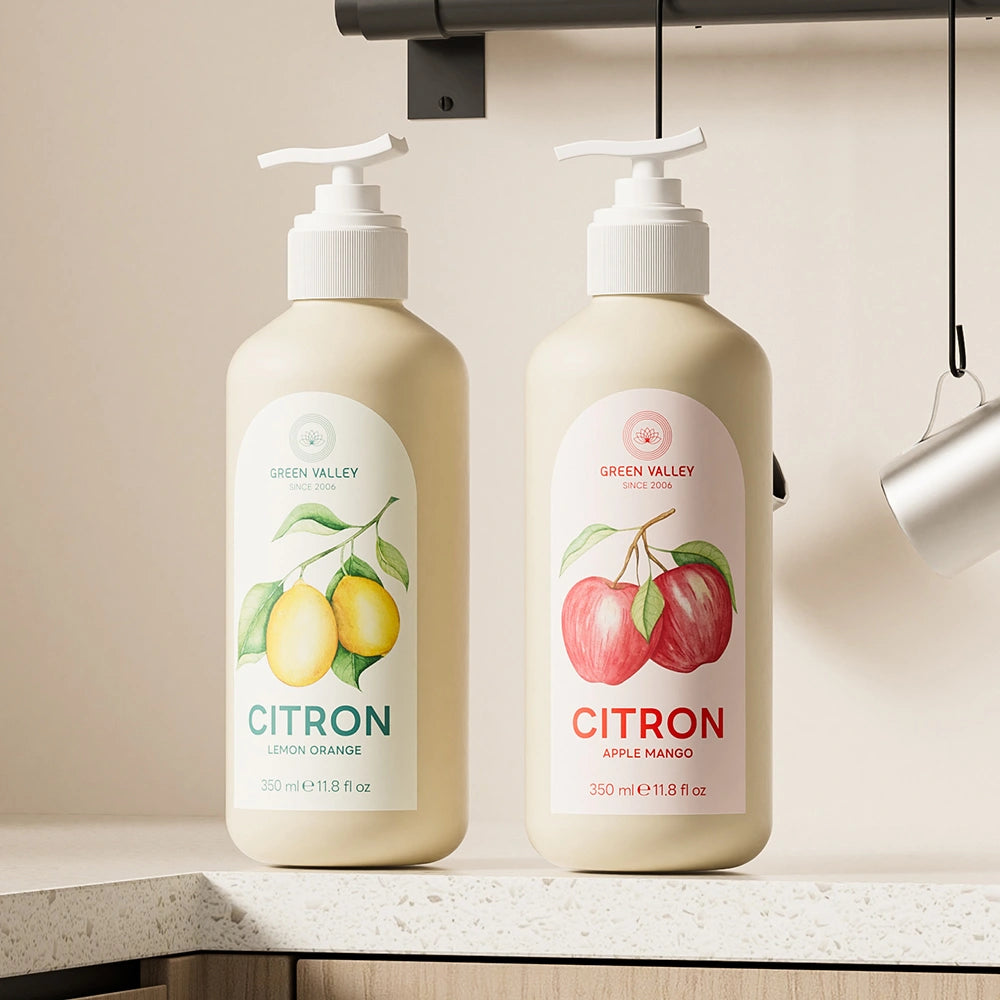
100% compostable molded pulp shampoo bottle set

100% compostable molded pulp shampoo set — wood pulp & sugarcane pulp construction with full interior coating

What Buyers Usually Mean by "Plastic-Free Shampoo Bottle Packaging"

In B2B packaging sourcing, the phrase "plastic-free shampoo bottle" covers a wider range of products than most buyers initially expect. When beauty brands and contract manufacturers use this term, they typically mean a bottle that:

Replaces the traditional HDPE or PET body with a plant-fiber structure

Can hold water-based formulations — shampoo, conditioner, body wash — without leaking

Biodegrades or composts at end of life

Works as a matched set: bottle and cap in a unified aesthetic

In practice, molded pulp shampoo set packaging is the most mature format that checks all of these boxes simultaneously. The base material is paper fiber — typically a blend of wood pulp and sugarcane pulp — shaped into a bottle form through a pressure molding process, then treated with an interior coating to create the liquid barrier.

Why This Format Is Gaining Ground in Personal Care Sourcing

Plastic bottle alternatives have been promised for years. The gap between concept and commercial reality used to be wide. What has changed recently is the coating and structural technology behind molded pulp bottles — specifically the development of full-coverage interior liquid-polymer coatings that can achieve WVTR (water vapor transmission rate) and OTR (oxygen transmission rate) values at or below 5.

100%
Biodegradable & Compostable
0
Plastic Content
≤5
WVTR & OTR Performance

For brands sourcing from China, this means the technology is now commercially viable at scale — not just as a prototype or a trade show exhibit. Factories producing eco-friendly shampoo bottle sets can offer consistent quality across production runs, which is what makes the format worth evaluating seriously for high-volume launches.

Natural fiber texture of molded pulp packaging material

Beyond the environmental claim, there is also a commercial rationale. A molded pulp shampoo bottle communicates sustainable intent at point of sale in a way that a label on a plastic bottle simply cannot. The material itself becomes part of the brand message.

The Base Materials: Wood Pulp vs. Sugarcane Pulp

Both are used for molded pulp shampoo bottles — and both have different surface and structural characteristics worth understanding before you spec your project.

Wood Pulp
Fine fiber / smoother finish

Wood pulp produces a finer, denser fiber structure. Bottles made from this material have a smoother exterior surface, which supports cleaner print results and a more refined shelf aesthetic.

Best for: brands seeking a premium, near-smooth surface feel with stronger print definition.

Sugarcane Pulp
Natural fiber / visible texture

Sugarcane (bagasse) pulp produces a more textured surface with a visible natural-fiber quality. This gives the bottle a distinct handcrafted, organic aesthetic that many sustainability-positioned brands actively prefer.

Best for: brands that want the packaging to signal its plant-based origin visually.

Many production runs use a blend of both materials, balancing structural strength with surface quality. The final ratio depends on your bottle shape, capacity, and desired exterior finish. A good supplier will recommend a blend based on your specific brief rather than defaulting to a single-material approach.

Key Technology: What Actually Makes It Work

Four engineering decisions separate a functional paper shampoo bottle from a concept that fails in real use. These are the areas to probe with any supplier before sampling.

01
Full Interior Coating
Advanced liquid-polymer coating applied across the complete interior surface creates a barrier layer that prevents liquid absorption and leakage. Partial coating is not sufficient for water-based formulations.
02
Seamless Construction
The bottle body is formed as a single seamless structure rather than joined panels. This eliminates the most common failure points for leakage and gives the product a premium, smooth exterior feel.
03
Spiral Cap System
Breakthrough spiral cap technology allows the cap to seal securely without relying on plastic threads. The cap material and mechanism must be evaluated alongside the bottle body for overall sustainability claims.
04
Moisture Resistance
Exterior surface treatments allow the bottle to withstand ambient bathroom humidity and occasional water contact without softening or deforming. This is separate from the interior liquid barrier and needs to be confirmed independently.

What Products Can This Format Support

The molded pulp bottle format is not limited to shampoo alone. The same core construction — paper fiber body, interior liquid-polymer coating, sealed cap system — supports a range of water-based personal care and household liquid products.
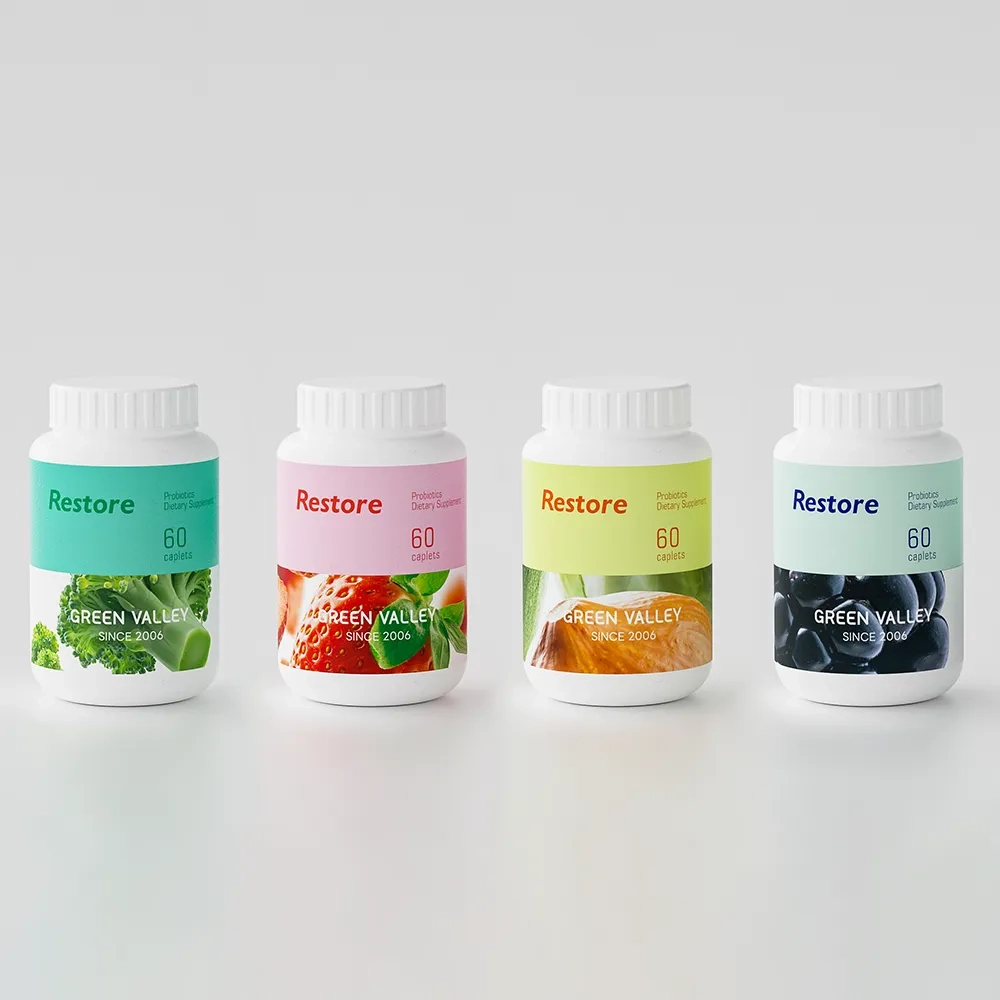
Sustainable supplement paper pill bottle
A plastic-free alternative for supplement and pill packaging. The same molded pulp construction adapted for dry contents, with a secure cap system and fully customizable shape.
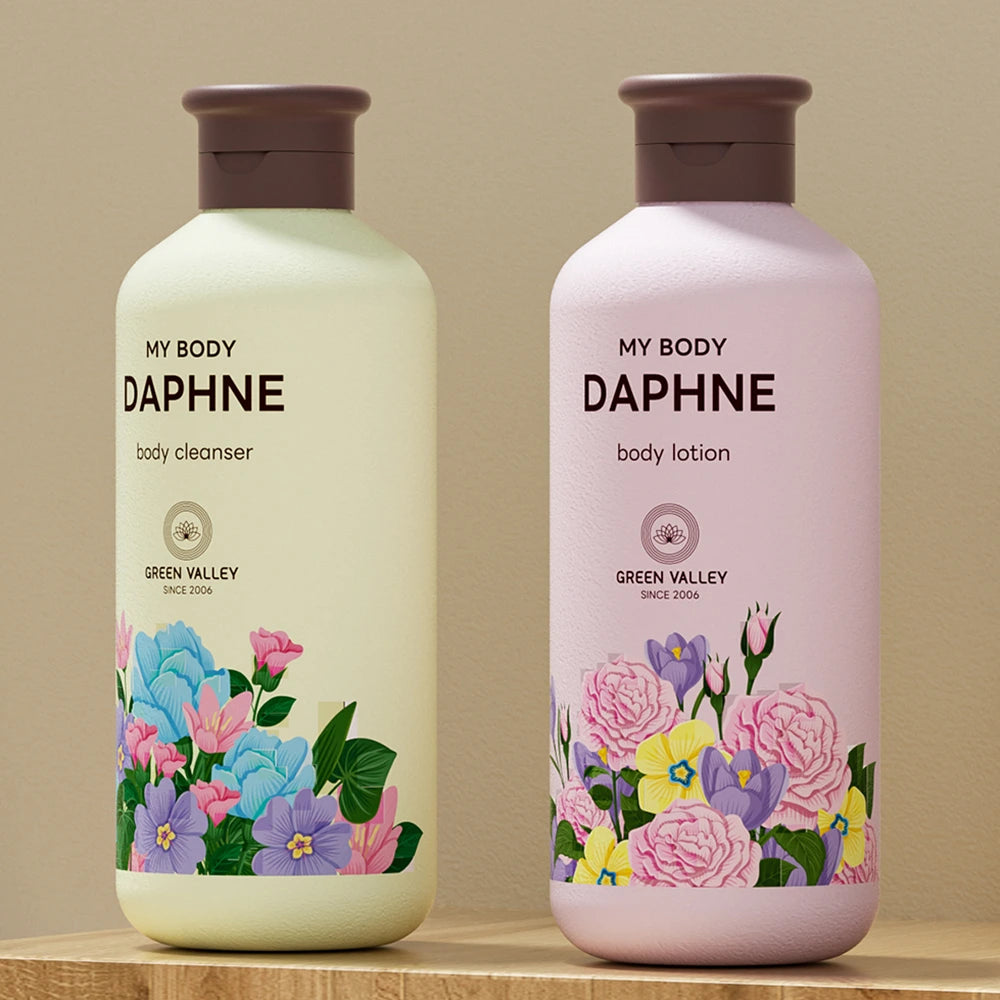
Molded pulp body wash paper bottle
2   Body Wash Bottles
Same liquid-handling requirements as shampoo. Often ordered alongside shampoo/conditioner as a three-piece bathroom set.
Paper pulp dishwashing liquid container
3   Hand Wash & Dishwashing Liquid
Countertop placement makes the natural-fiber aesthetic a design asset rather than just a sustainability claim.
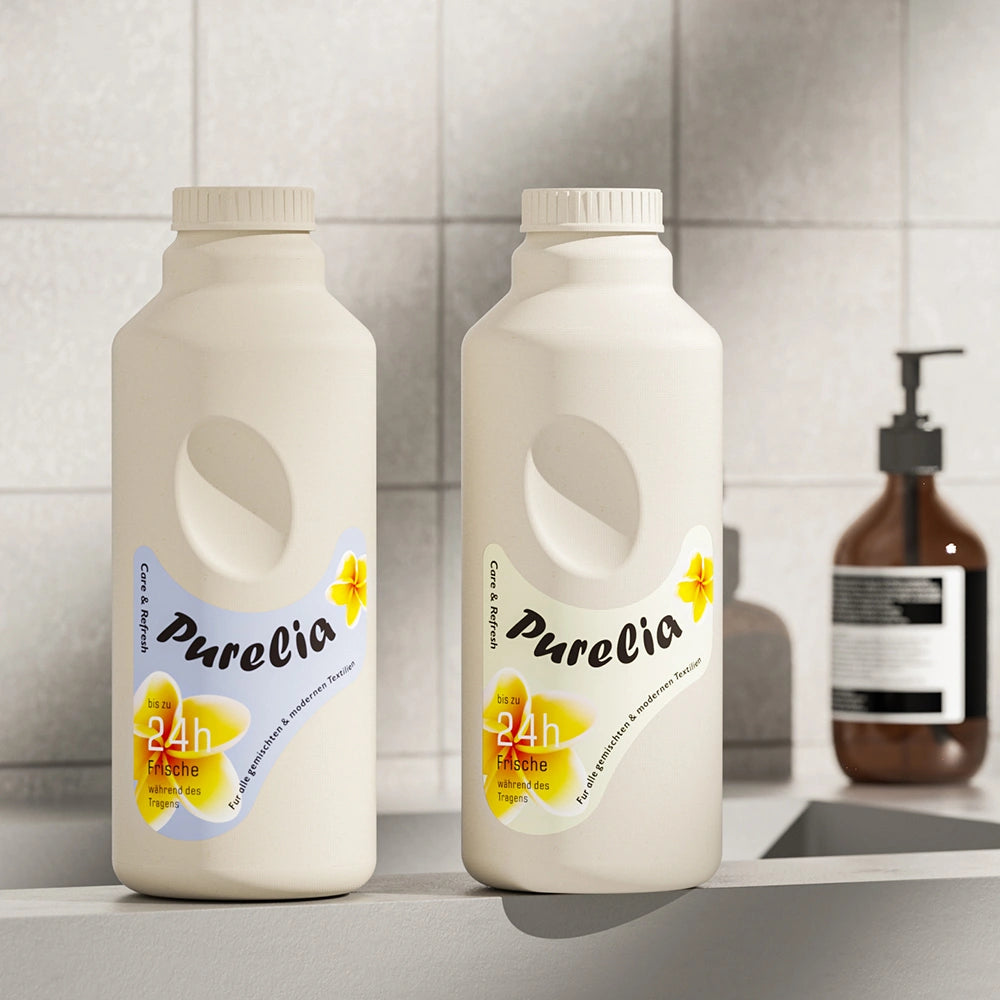
Eco-friendly paper bottle for laundry detergent
4   Laundry Detergent
Household cleaning products with similar viscosity and formula profiles can use the same bottle construction.

The key variable across all applications is the interior coating specification. Thicker or more concentrated formulas may require a heavier coating weight. This should be discussed with the supplier during the sample specification stage.

Customization: What Can Actually Be Changed

One of the most common questions from brands evaluating compostable shampoo bottle sets is how much design freedom the format actually allows. The short answer is: more than most brands expect.

S
Shape & Silhouette
Tall, squat, oval cross-section, tapered neck — shape is defined by the production mold.
C
Color
Natural kraft, white, black, and custom Pantone color matching via dye injection during molding.
B
Branding
Embossing and debossing applied directly into the mold for a tactile, label-free finish.
V
Capacity
From travel-size formats through to standard 300ml-500ml retail bottles and larger.
F
Surface Finish
Matte, semi-gloss, or raw natural texture depending on material choice and post-process treatment.
K
Cap System
Spiral cap mechanism in matching material; pump head or flip-top options also available on request.

One important note: because the bottle shape is determined by the production mold, custom shapes carry a tooling cost. Public mold options are available for brands that want to evaluate the format before committing to a bespoke design. For initial orders, using a standard mold structure significantly reduces the upfront investment and shortens lead time.

The Production Process: From Brief to Bulk Order

Understanding the production sequence helps set realistic timelines and avoid the most common project delays. Here is the standard workflow for a custom molded pulp shampoo bottle order:

Step 1 — Brief & 3D Design
Share your bottle shape concept, capacity, color direction, and branding requirements. Providing a 3D file at this stage significantly speeds up the process. The supplier will output a design proposal for your review.
Step 2 — Proposal Confirmation
Review the design proposal and confirm dimensions, coating specification, color matching, and surface treatment. Any changes made after mold production will incur additional tooling costs, so this stage deserves careful attention.
Step 3 — Mold Production & First Sample
The production mold is fabricated based on the confirmed design. First physical samples are produced from the mold for size verification, coating test, and visual approval.
Step 4 — Sample Approval
Review physical samples against your brief. Test with your actual formula — fill the bottle with your shampoo or conditioner and conduct a drop test and 30-day shelf stability check in bathroom-condition humidity.
Step 5 — Mass Production
Once samples are approved, mass production begins. Standard export packing, MOQ requirements, and lead time should be confirmed in writing before production is authorized.

What to Confirm Before Placing a Bulk Order

Before signing off on a production run of biodegradable shampoo bottle sets, make sure the following points are clearly addressed with your supplier:

Bulk Order Confirmation Checklist
Base Material: Wood pulp, sugarcane pulp, or blend ratio?
Interior Coating: Full coverage confirmed? WVTR and OTR values documented?
Bottle Capacity & Dimensions: Exact volume and tolerances agreed?
Cap Compatibility: Spiral cap seal confirmed? Material of cap agreed and documented?
Formula Compatibility: Has the bottle been tested with your specific product formula?
Branding Method: Embossing, debossing, color, or surface print — and biodegradability impact confirmed?
MOQ & Lead Time: Minimum order quantity and production-to-delivery timeline confirmed in writing?
Certifications: Compostability certification, food-contact safety documentation, and export compliance covered?

Which Brands Should Be Looking at This Format

Not every beauty brand is at the right stage for a molded pulp shampoo bottle project. The format makes the most sense when several conditions align:

Good fit for this format:
Brands with an active sustainability positioning that needs physical proof
Brands launching new SKUs with a clean-slate packaging brief
Retailers building own-brand ranges and differentiating on eco credentials
Hotel and hospitality groups replacing amenity plastic bottles
DTC beauty brands targeting eco-aware consumers
May need more evaluation:
Brands with highly viscous or oil-heavy formulas requiring deeper coating specs
Projects with very short lead times that do not allow for mold production
Brands needing extremely high-volume standard formats with no design intent
Projects where the unit price needs to match standard HDPE bottle pricing at launch

The format is commercially viable — but it works best when brands approach it as a packaging strategy decision rather than a last-minute plastic substitution.

Final Thoughts

Sourcing molded pulp shampoo bottles is not the same as sourcing a plastic bottle with a sustainability label attached. The material, the coating technology, the cap system, and the customization process all require more upfront specification work. That is also what separates brands that launch a credible plastic-free packaging line from brands that announce one and quietly delay it.

The technology behind 100% compostable paper pulp shampoo set packaging has crossed the threshold from prototype to commercially usable product. Full interior liquid-polymer coating, seamless construction, and spiral cap systems now make it genuinely possible to replace a plastic shampoo bottle with a plant-fiber one — without sacrificing bathroom performance.

For importers, beauty brand managers, and packaging directors evaluating this direction, the smartest next step is to request a physical sample, fill it with your actual formula, and test it under real conditions. The material will tell you faster than any data sheet whether it is right for your product.

Ready to Explore Molded Pulp Shampoo Bottle Options?

View the full product specification, coating details, and customization options for our 100% compostable paper pulp shampoo set packaging.

Custom Now →

FAQ · Questions You May Ask

  • Are molded pulp shampoo bottles actually waterproof enough for real bathroom use?

    Yes, when properly coated. The key is full interior liquid-polymer coating coverage that achieves WVTR and OTR values at or below 5. Exterior moisture resistance is handled through a separate surface treatment. Both need to be specified and confirmed during the sampling stage.

  • What is the difference between wood pulp and sugarcane pulp for shampoo bottles?

    Wood pulp produces a finer surface suitable for clean print finishes. Sugarcane pulp gives a more textured, natural-fiber appearance that communicates the eco material visually. Many productions use a blend of both. The right ratio depends on your surface finish requirements and structural needs.

  • Can I get a custom bottle shape, or do I have to use a standard mold?

    Both options are available. Standard (public) molds allow faster sampling and lower upfront cost. Custom molds give you a proprietary bottle shape exclusive to your brand, but involve tooling investment and longer lead time. For initial evaluation orders, starting with a standard mold is usually recommended.

  • How is the branding applied to a molded pulp bottle without using inks or labels?

    Embossing and debossing are built directly into the mold. This creates a raised or recessed logo/text effect on the bottle surface without any additional inks, adhesives, or labels — keeping the packaging 100% biodegradable while still delivering tactile brand presence.

  • Is this format suitable for oil-based formulas or only water-based products?

    The format is primarily designed for water-based formulations including shampoo, conditioner, body wash, hand wash, and liquid soap. For heavier oil-based formulas, a thicker or more specialized interior coating may be required. Always test with your actual formula during the sample stage.

  • What certifications should I ask for when sourcing molded pulp shampoo bottles?

    Key certifications to request include compostability certification (such as EN 13432 or ASTM D6400 depending on your target market), food-contact safety documentation, and any relevant export compliance paperwork for your destination market. Confirm which certificates are available from your supplier before placing a production order.

Back to blog